

Real-Time Data vs Historical Reporting
Historical reports tell you what happened. Real-time data lets you act while it still counts. You need both, but execution depends on now.
Historical reports tell you what happened. Real-time data lets you act while it still counts. You need both, but execution depends on now.
There is an old and unhelpful argument in operations about whether real-time data or historical reporting matters more. It is the wrong question. The honest answer is that you need both, because they do completely different jobs.

Historical reporting is how you understand the past. It shows trends, surfaces patterns, and tells you whether last quarter went the way you hoped. Real-time data is how you respond to the present. It tells you what is happening right now, while you can still do something about it. Confusing the two is where businesses get into trouble.
What historical reporting is good for
Looking back is genuinely valuable. Historical data is where you find the trend behind the noise, measure whether a change worked, and plan with evidence rather than instinct. It answers the strategic questions: where are we drifting, what is improving, and what should we invest in next.

But history has a built-in limitation. By the time something appears in a weekly or monthly report, the moment to act on it has usually passed. A report can tell you that you lost sales to stockouts last month. It cannot help you save the sale you are losing this afternoon.
What real-time data changes
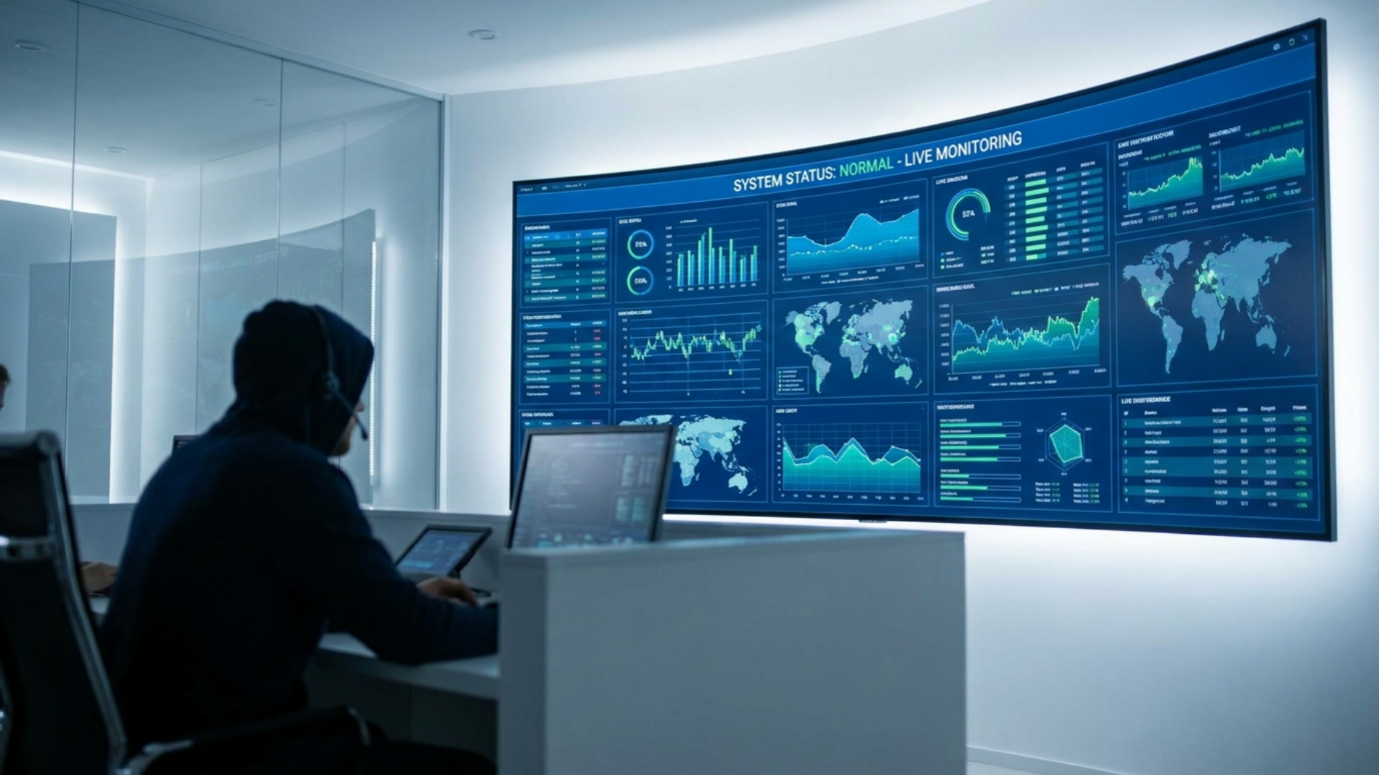
Real-time data closes that window. When information flows continuously instead of in batches, problems become visible as they form, not after they have done their damage. A spike, a failure, a threshold breach, a sudden shift in demand: you see it as it happens, and you can act in the same window.
This is the difference between explaining an outcome and influencing it. Historical reporting is your rear-view mirror, essential for knowing where you have been. Real-time data is the windscreen, which is what you actually steer by.

Why most businesses only have half the picture
The reason real-time operation is still rare is not a lack of interest. It is plumbing. Data sits in separate systems, updates on different schedules, and has to be stitched together by hand before anyone can trust it. By the time it is unified, it is no longer current.

FluxFlow's data foundation is built to remove that constraint. Its replication engine keeps data flowing continuously from across your systems, validated and ready to use, so what you are looking at reflects what is true now. That live foundation is what makes real-time decisions, and real-time automation, possible at all.
Both, working together
The goal is not to choose. The strongest operations use history and real-time data as one system. History sets the baseline and tells you what normal looks like. Real-time data tells you, against that baseline, when something needs attention today. One informs your strategy. The other drives your execution.
If your reporting only ever looks backwards, you are always one step behind your own business. Pair it with live data, and you move from explaining what happened to shaping what happens next.